Healthcare
How a Blood Drive Becomes a Lifeline
22 Jul 2026 · 9 min read
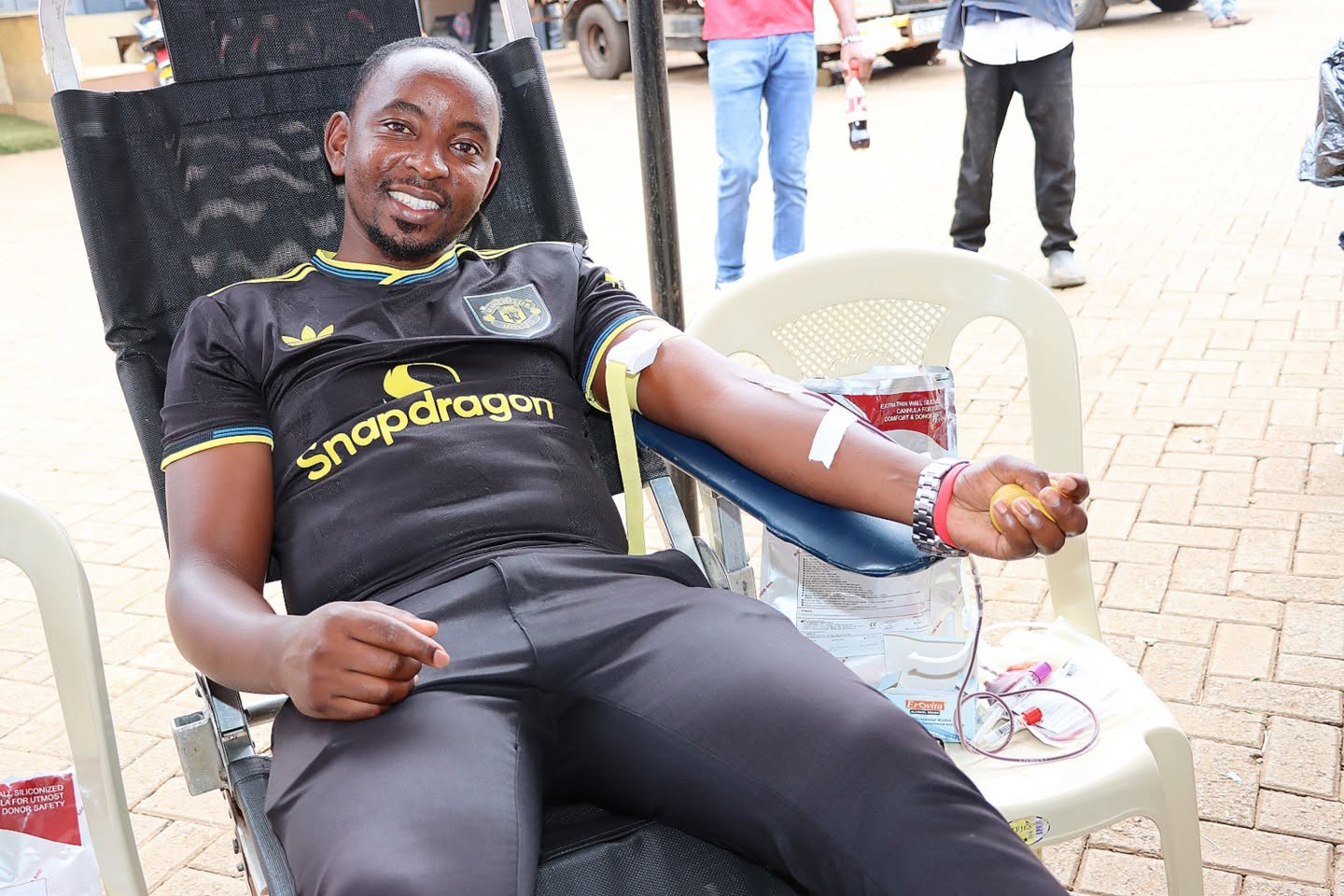
At first glance, a blood drive can look like a simple community event: a few tables, some registration forms, a health talk, and donors lining up to give a unit of blood. In a h...
At first glance, a blood drive can look like a simple community event: a few tables, some registration forms, a health talk, and donors lining up to give a unit of blood. In a hospital, though, every unit carries a story that begins long before the donor arrives and continues long after the collection is done. Blood drives are one of the clearest examples of how a community and a hospital depend on each other. They are not ceremonial. They are practical, urgent, and deeply human.
The need for blood is not abstract. It shows up in emergency care, surgery, maternity care, severe anemia, trauma cases, and other situations where time matters. A stocked blood supply can determine whether a patient stabilizes quickly or waits while staff scramble for a match. That is why hospitals invest so much effort in donor recruitment and public awareness. The challenge is not only collecting blood once. It is keeping the habit alive so that supply does not depend on panic.
A good blood drive starts with trust. People need to know that donating is safe, that screening is serious, and that their contribution will be handled responsibly. They also need to feel that they are part of something meaningful rather than being treated as a number. That is where hospital teams, local leaders, schools, youth groups, faith communities, and volunteers all matter. Each group helps make the event feel local and personal. When people see familiar faces supporting the drive, they are more likely to participate.
The logistics matter too. Donation teams have to prepare a space that is clean, calm, and easy to navigate. Registration should be straightforward. Donors need water, rest, clear explanations, and proper follow-up. The process must respect both the donor and the patient who will ultimately receive the blood. A successful campaign is never only about volume. It is about quality, safety, and respect. Even the best turnout means little if the collection process is disorganized or the public leaves confused about what happened.
Behind the scenes, a blood drive also strengthens internal hospital discipline. Staff have to coordinate messaging, logistics, documentation, transport, and storage. Laboratory and clinical teams need to communicate clearly about need and use. When that coordination works well, the hospital becomes more resilient. It is easier to respond to emergencies, easier to plan elective care, and easier to reassure families that the institution is prepared. In a very real sense, donor campaigns are readiness exercises as much as they are public events.
There is also a social value that cannot be measured in units alone. Blood donation reminds a community that health is shared. One person gives without knowing the recipient, and another receives without ever meeting the donor. That quiet exchange is one of the most generous acts in health care. It turns a hospital from a place where problems are managed into a place where people actively help one another survive. That is powerful, especially in moments when the public may feel distant from the institution that treats them.
For MeTRH, the story of a blood drive is therefore bigger than a campaign poster or a one-day turnout target. It is about building a culture where people understand that referral care depends on community participation. It is about showing that a hospital is not a sealed-off building; it is part of the social fabric around it. When a student group, a workplace, or a local organization shows up to donate, they are not just helping the hospital fill shelves. They are participating in a shared system of care.
The most important part of the story is what happens next. A donor leaves with the satisfaction of having helped. A blood bank receives a supply that may soon be needed in urgent care. A clinician gains a resource that can turn a difficult case into a manageable one. A family, perhaps on a day they never expected to need help, receives the quiet benefit of a stranger's generosity. That chain of impact is what makes blood drives worth the planning, the mobilization, and the follow-up.
If there is a lesson in every successful campaign, it is this: the most valuable health interventions are often the ones that never become visible to the public. They are the preparations that happen before the emergency, the connections that hold before the crisis, and the habits that make care possible when it matters most. Blood drives belong to that category. They are small in appearance, but enormous in consequence.
At first glance, a blood drive can look like a simple community event: a few tables, some registration forms, a health talk, and donors lining up to give a unit of blood. In a hospital, though, every unit carries a story that begins long before the donor arrives and continues long after the collection is done. Blood drives are one of the clearest examples of how a community and a hospital depend on each other. They are not ceremonial. They are practical, urgent, and deeply human.
The need for blood is not abstract. It shows up in emergency care, surgery, maternity care, severe anemia, trauma cases, and other situations where time matters. A stocked blood supply can determine whether a patient stabilizes quickly or waits while staff scramble for a match. That is why hospitals invest so much effort in donor recruitment and public awareness. The challenge is not only collecting blood once. It is keeping the habit alive so that supply does not depend on panic.
A good blood drive starts with trust. People need to know that donating is safe, that screening is serious, and that their contribution will be handled responsibly. They also need to feel that they are part of something meaningful rather than being treated as a number. That is where hospital teams, local leaders, schools, youth groups, faith communities, and volunteers all matter. Each group helps make the event feel local and personal. When people see familiar faces supporting the drive, they are more likely to participate.
The logistics matter too. Donation teams have to prepare a space that is clean, calm, and easy to navigate. Registration should be straightforward. Donors need water, rest, clear explanations, and proper follow-up. The process must respect both the donor and the patient who will ultimately receive the blood. A successful campaign is never only about volume. It is about quality, safety, and respect. Even the best turnout means little if the collection process is disorganized or the public leaves confused about what happened.
Behind the scenes, a blood drive also strengthens internal hospital discipline. Staff have to coordinate messaging, logistics, documentation, transport, and storage. Laboratory and clinical teams need to communicate clearly about need and use. When that coordination works well, the hospital becomes more resilient. It is easier to respond to emergencies, easier to plan elective care, and easier to reassure families that the institution is prepared. In a very real sense, donor campaigns are readiness exercises as much as they are public events.
There is also a social value that cannot be measured in units alone. Blood donation reminds a community that health is shared. One person gives without knowing the recipient, and another receives without ever meeting the donor. That quiet exchange is one of the most generous acts in health care. It turns a hospital from a place where problems are managed into a place where people actively help one another survive. That is powerful, especially in moments when the public may feel distant from the institution that treats them.
For MeTRH, the story of a blood drive is therefore bigger than a campaign poster or a one-day turnout target. It is about building a culture where people understand that referral care depends on community participation. It is about showing that a hospital is not a sealed-off building; it is part of the social fabric around it. When a student group, a workplace, or a local organization shows up to donate, they are not just helping the hospital fill shelves. They are participating in a shared system of care.
The most important part of the story is what happens next. A donor leaves with the satisfaction of having helped. A blood bank receives a supply that may soon be needed in urgent care. A clinician gains a resource that can turn a difficult case into a manageable one. A family, perhaps on a day they never expected to need help, receives the quiet benefit of a stranger's generosity. That chain of impact is what makes blood drives worth the planning, the mobilization, and the follow-up.
If there is a lesson in every successful campaign, it is this: the most valuable health interventions are often the ones that never become visible to the public. They are the preparations that happen before the emergency, the connections that hold before the crisis, and the habits that make care possible when it matters most. Blood drives belong to that category. They are small in appearance, but enormous in consequence.