Healthcare
What Construction Means for a Growing Hospital
15 Jul 2026 · 10 min read
Hospital construction is easy to underestimate from the outside. A new wall, a fresh roof, a corridor extension, or a renovated ward can look like a simple facilities project. I...
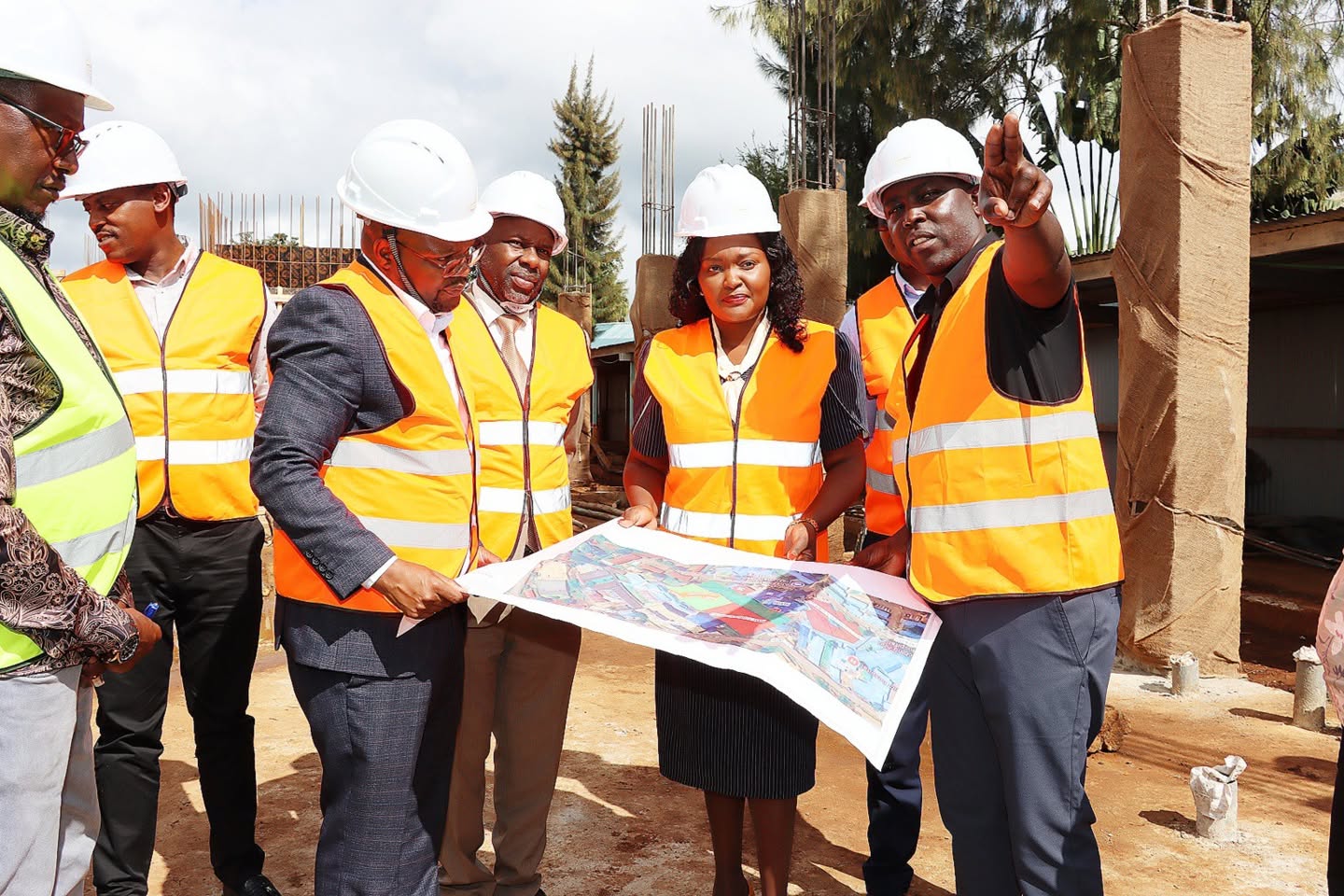
Hospital construction is easy to underestimate from the outside. A new wall, a fresh roof, a corridor extension, or a renovated ward can look like a simple facilities project. Inside a referral hospital, though, construction is a clinical decision as much as an engineering one. It affects how patients move, how staff work, how equipment is installed, how infection control is maintained, and how quickly a team can respond when pressure rises. At MeTRH, construction is part of growth, but it is also part of safety.
Growth does not happen in one dramatic leap. It happens in phases, and good hospitals learn to plan those phases carefully. A new block has to fit into existing circulation patterns. Emergency access cannot be blocked. Utilities have to be reliable. Rooms need natural light where possible, but also privacy and manageable temperatures. Storage, waste handling, drainage, and electrical load all matter. If any of those details are ignored, a building may look finished while still making clinical work harder. That is why construction in a hospital always starts with planning, not with concrete.
There is a practical rhythm to hospital expansion. First comes the need: more patients, more services, more specialized procedures, or a better experience for families who are already stretched by illness. Then come the design conversations: where to place service points, what should be near each other, which functions need silence, which need access, and which must remain separated. After that, construction teams have to work in a live environment where care is still happening around them. That is one of the hardest parts. A hospital cannot simply close its doors while it grows. It has to build while continuing to serve.
That reality makes communication essential. Clinical teams need to know what is changing and when. Patients need clear directions so they do not get lost or delayed. Security, housekeeping, procurement, and maintenance teams all need to understand access points, delivery schedules, and temporary relocations. The better the communication, the less construction feels like disruption. In the best case, patients may barely notice the changes until they suddenly experience shorter queues, easier navigation, or a more comfortable waiting area. That kind of invisible improvement is the sign of good hospital infrastructure work.
Construction also carries symbolic weight. A hospital that keeps improving its buildings sends a message to the community: we are not standing still. We are preparing for the future. That matters because public confidence is built not only through clinical outcomes, but also through visible commitment. A well-maintained ward block, a cleaner public-facing entrance, a better-laid-out outpatient area, or a new support facility all communicate that the institution is serious about its role. People notice when a hospital invests in the places they walk through every day.
But the real value of construction is what it enables. A stronger building may house a better service flow. A more efficient layout may reduce delays between consultation and diagnostics. A dedicated area may help a specialty service operate more smoothly. Better space can also improve morale among staff, who spend long hours in the same environment and know immediately when a room is too cramped, too noisy, or poorly ventilated. Infrastructure affects the energy of the workplace. When the environment is right, care feels more organized and less exhausting.
The same is true for equipment. A new building without modern equipment is only half a solution, and equipment without the right space is equally limited. Construction should support both. That is why growth projects often sit alongside upgrades in imaging, diagnostics, or treatment tools. One investment makes the other useful. When the physical environment is ready, new machines can be installed safely, maintained properly, and used efficiently. In a referral setting, that relationship between space and equipment can make the difference between a service that merely exists and a service that is dependable.
There is another side to construction that people outside hospitals do not always see: maintenance. Growth is not only about adding new things. It is also about preserving what already works. A hospital can lose a great deal of capacity through leaks, damaged flooring, unreliable power, or poor drainage. Routine repairs are not glamorous, but they are essential. They protect the larger investment and prevent small failures from becoming major operational problems. In that sense, construction is an ongoing discipline, not a one-time event.
At MeTRH, the promise of construction is not simply a more impressive skyline. It is a hospital that can serve more effectively, with better flow, more resilience, and a stronger foundation for future specialties. The best building projects disappear into everyday care. They are felt in the speed of service, the confidence of staff, and the comfort of patients. That is the real measure of success: not how visible the project was while it was underway, but how much better the hospital works after the dust has settled.
Hospital construction is easy to underestimate from the outside. A new wall, a fresh roof, a corridor extension, or a renovated ward can look like a simple facilities project. Inside a referral hospital, though, construction is a clinical decision as much as an engineering one. It affects how patients move, how staff work, how equipment is installed, how infection control is maintained, and how quickly a team can respond when pressure rises. At MeTRH, construction is part of growth, but it is also part of safety.
Growth does not happen in one dramatic leap. It happens in phases, and good hospitals learn to plan those phases carefully. A new block has to fit into existing circulation patterns. Emergency access cannot be blocked. Utilities have to be reliable. Rooms need natural light where possible, but also privacy and manageable temperatures. Storage, waste handling, drainage, and electrical load all matter. If any of those details are ignored, a building may look finished while still making clinical work harder. That is why construction in a hospital always starts with planning, not with concrete.
There is a practical rhythm to hospital expansion. First comes the need: more patients, more services, more specialized procedures, or a better experience for families who are already stretched by illness. Then come the design conversations: where to place service points, what should be near each other, which functions need silence, which need access, and which must remain separated. After that, construction teams have to work in a live environment where care is still happening around them. That is one of the hardest parts. A hospital cannot simply close its doors while it grows. It has to build while continuing to serve.
That reality makes communication essential. Clinical teams need to know what is changing and when. Patients need clear directions so they do not get lost or delayed. Security, housekeeping, procurement, and maintenance teams all need to understand access points, delivery schedules, and temporary relocations. The better the communication, the less construction feels like disruption. In the best case, patients may barely notice the changes until they suddenly experience shorter queues, easier navigation, or a more comfortable waiting area. That kind of invisible improvement is the sign of good hospital infrastructure work.
Construction also carries symbolic weight. A hospital that keeps improving its buildings sends a message to the community: we are not standing still. We are preparing for the future. That matters because public confidence is built not only through clinical outcomes, but also through visible commitment. A well-maintained ward block, a cleaner public-facing entrance, a better-laid-out outpatient area, or a new support facility all communicate that the institution is serious about its role. People notice when a hospital invests in the places they walk through every day.
But the real value of construction is what it enables. A stronger building may house a better service flow. A more efficient layout may reduce delays between consultation and diagnostics. A dedicated area may help a specialty service operate more smoothly. Better space can also improve morale among staff, who spend long hours in the same environment and know immediately when a room is too cramped, too noisy, or poorly ventilated. Infrastructure affects the energy of the workplace. When the environment is right, care feels more organized and less exhausting.
The same is true for equipment. A new building without modern equipment is only half a solution, and equipment without the right space is equally limited. Construction should support both. That is why growth projects often sit alongside upgrades in imaging, diagnostics, or treatment tools. One investment makes the other useful. When the physical environment is ready, new machines can be installed safely, maintained properly, and used efficiently. In a referral setting, that relationship between space and equipment can make the difference between a service that merely exists and a service that is dependable.
There is another side to construction that people outside hospitals do not always see: maintenance. Growth is not only about adding new things. It is also about preserving what already works. A hospital can lose a great deal of capacity through leaks, damaged flooring, unreliable power, or poor drainage. Routine repairs are not glamorous, but they are essential. They protect the larger investment and prevent small failures from becoming major operational problems. In that sense, construction is an ongoing discipline, not a one-time event.
At MeTRH, the promise of construction is not simply a more impressive skyline. It is a hospital that can serve more effectively, with better flow, more resilience, and a stronger foundation for future specialties. The best building projects disappear into everyday care. They are felt in the speed of service, the confidence of staff, and the comfort of patients. That is the real measure of success: not how visible the project was while it was underway, but how much better the hospital works after the dust has settled.