Healthcare
Why Teaching Matters in a Referral Hospital
8 Jul 2026 · 8 min read
When people think about a referral hospital, they usually picture treatment first: consultations, scans, surgery, laboratory tests, and the long list of services that keep patie...
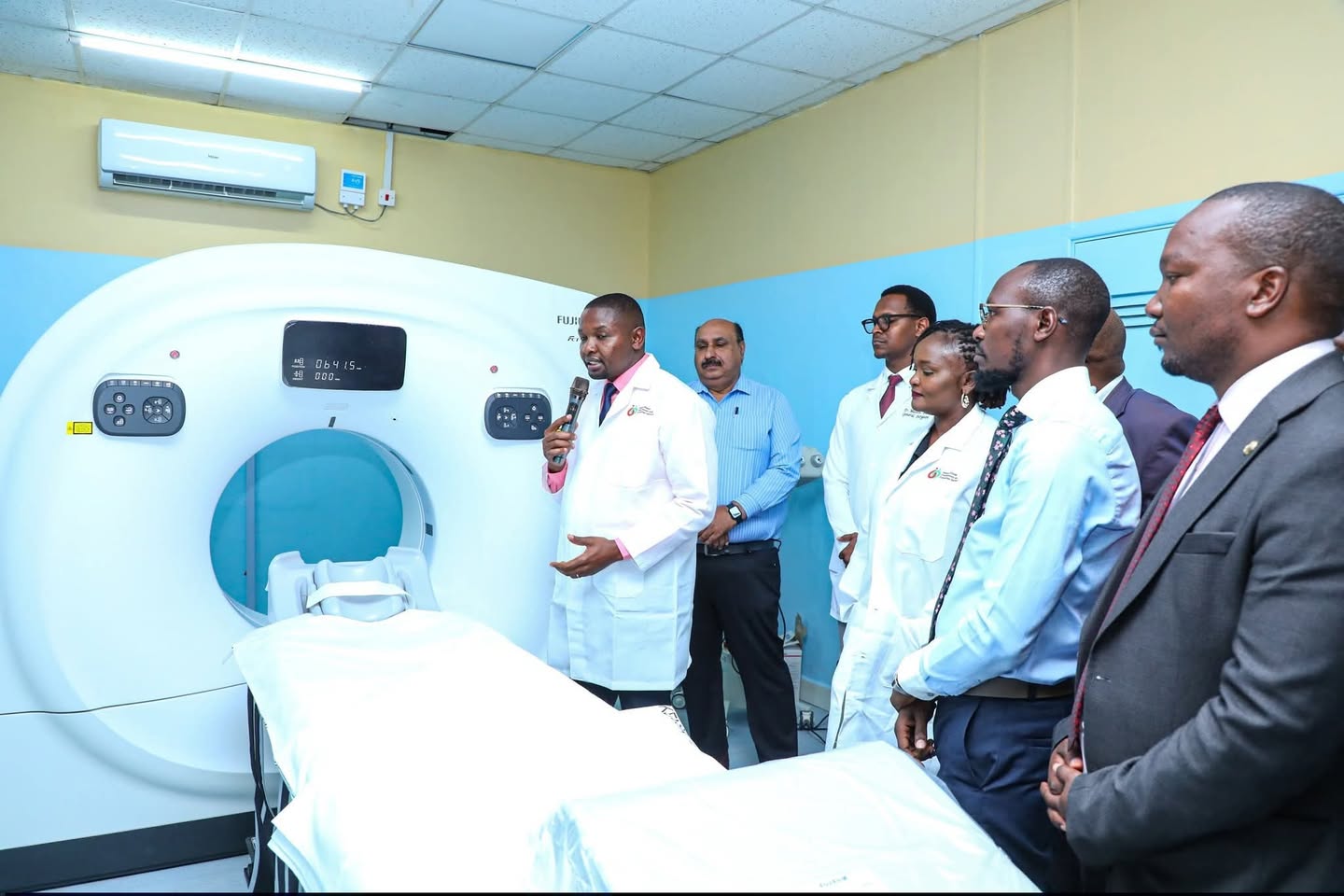
When people think about a referral hospital, they usually picture treatment first: consultations, scans, surgery, laboratory tests, and the long list of services that keep patients moving from one step of care to the next. At MeTRH, that is only part of the story. The other part is teaching. The hospital is not just a place where care is delivered; it is also a place where the next generation of clinicians, nurses, laboratory professionals, and support staff learns what good care looks like in real life.
That teaching role changes the way the hospital works. It means every clinic, ward round, and case discussion has a second purpose. A doctor is not only asking questions to reach a diagnosis. They are also demonstrating how to listen, how to explain, how to notice a detail that matters, and how to remain calm when a patient is worried. A nurse is not only carrying out a task. They are showing a student how to protect dignity, how to check a line, how to spot a complication early, and how to speak to families with clarity. Teaching and service are not separate tracks; they are part of the same responsibility.
For students and trainees, a teaching hospital is different from a classroom because the lessons are real and immediate. A textbook can explain malaria, trauma, maternal health, sepsis, or chronic disease management. A hospital teaches the human context around those conditions. It teaches timing, prioritization, teamwork, and judgment. It teaches how symptoms do not always arrive neatly organized, how families ask difficult questions, and how a good clinician sometimes spends as much energy on reassurance as on intervention. Those skills are not extras. They are central to safe care.
At MeTRH, the teaching side of the business also supports the hospital's own standards. When staff know they may need to explain a process to a student or colleague, they tend to keep their own practice sharp. Notes are clearer. Handovers are more disciplined. Infection prevention matters more because someone is always watching and learning. That can sound like pressure, but in practice it is a healthy one. Teaching makes the institution more accountable to itself. It creates a culture where "this is how we do things here" means "this is how we do things properly."
The best teaching environments also protect patients rather than distract from them. That is an important balance. A hospital cannot treat people as training material. Patients come first, and their consent, privacy, and comfort have to be respected every time. The right teaching culture understands this. It teaches students how to introduce themselves properly, how to ask permission before an examination, how to keep discussions confidential, and how to speak in plain language instead of hiding behind jargon. In that way, the teaching role reinforces trust instead of competing with it.
The ripple effect goes beyond the hospital walls. When trainees learn in a referral setting, they carry those habits back into county facilities, private clinics, outreach programs, and community health work. A student who has seen careful triage in a busy outpatient area is less likely to panic in a small clinic. A nurse who has practiced on a complex ward learns how to organize care in lower-resource settings. A laboratory trainee who understands specimen handling in a high-volume environment is better prepared to maintain quality wherever they work. Teaching therefore becomes a form of service to the wider health system, not just to the institution that hosts it.
There is also a dignity to being known as a place that teaches. It signals that the hospital has something worth passing on. It suggests that the staff have enough experience, structure, and professional discipline to mentor others. That matters for recruitment as well. Talented health workers often want to work where they can grow, not only where they can earn a salary. They want exposure, supervision, discussion, and a sense that their work contributes to something bigger than a shift rota. A teaching hospital can offer that, and in turn build a stronger team.
For the public, this teaching role may not always be visible. Most patients come in looking for one thing: help. They do not need a lecture about institutional identity. But they do benefit when the hospital is learning-oriented. A hospital that teaches is usually a hospital that reviews cases carefully, values evidence, supports continuing education, and notices when practice needs to improve. In that sense, teaching is not an internal luxury. It is one of the quiet ways a hospital becomes safer.
The future of referral care depends on this model. Hospitals cannot stand still while medicine changes, populations grow, and expectations rise. They need staff who can adapt, question, and learn continuously. They need environments where junior staff are mentored well enough to become senior staff who can mentor others. They need places where service delivery and professional growth feed each other. That is why the teaching side of the business matters so much. It is not a side project. It is part of the institution's long-term strength.